
Home improvement projects can significantly enhance the value and comfort of a home. However, without proper budgeting, these projects can quickly get out of hand, leading to financial stress. Careful planning and research in the initial stages are essential to ensure that your renovation dreams become a reality without breaking the bank.
1. What is the best way to budget for roofing repairs?
1.1 Evaluating Credentials and Experience
When hiring a roofing contractor, it’s crucial to evaluate their credentials thoroughly. Ensure they are licensed and insured to avert potential liabilities. Experienced contractors usually offer better craftsmanship, reducing the need for future repairs.
Researching past projects and reading reviews can provide insight into a contractor’s reliability and quality. Don’t hesitate to ask for references to assess the satisfaction level of previous clients. A roofing contractor with a good reputation will likely exceed your expectations.
While credentials and experience are important, communication is also key. Choose a contractor who is open to discussing project details and addresses your concerns promptly. Transparent dialogue helps in clearly aligning expectations and budget constraints.
1.2 Understanding Roofing Quotes and Estimates
Receiving roofing quotes and estimates is a critical step in the budgeting process. It’s recommended to obtain multiple quotes to compare pricing and services offered. Estimates should be detailed, outlining the cost for materials, labor, and any additional expenses.
A clear and comprehensive quote helps in accurately budgeting for your roofing project. This document should spell out the terms and indicate expected completion dates. Any ambiguity in the quotes should be clarified with the contractor before getting started.
Understand that an unusually low bid might indicate shortcuts in quality. Be wary of such proposals, as they could lead to higher long-term costs due to frequent repairs. Opt for a quote that balances cost with quality and reliability.
1.3 Setting Aside Budget for Unexpected Roofing Costs
Even the best-planned projects can uncover unexpected expenses. Set aside a contingency fund of around 10-15% of the total project cost for unforeseen repairs or additional improvements. An experienced roofing contractor can guide you in forecasting potential unexpected costs.
Hidden structural damage or additional materials might inflate the original budget. Address these potential issues early by involving a contractor who can spot red flags in advance. Planning for these contingencies will help maintain a smooth construction process.
Keeping a flexible budget helps manage surprises without derailing your financial planning. Building a buffer into your budget is an effective strategy for peace of mind and project continuity.
2. How do HVAC services price their services?
2.1 Factors Affecting Service Costs
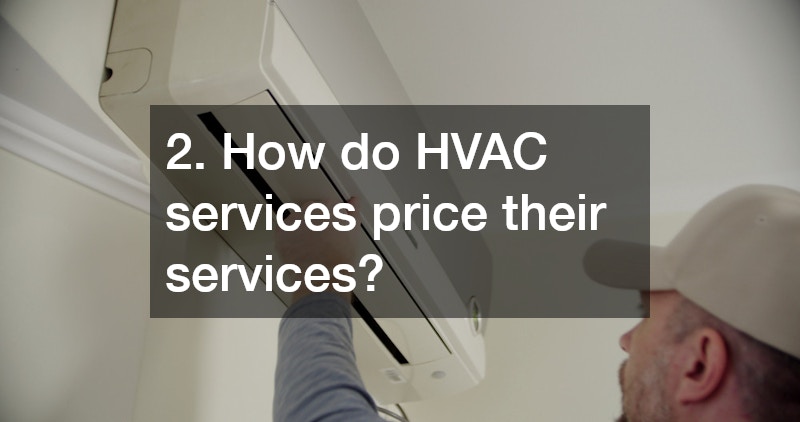
Pricing for HVAC services varies based on several factors. The complexity and scope of the job, such as installations versus minor repairs, play a significant role in cost determination. Moreover, the type of HVAC system and material used significantly affect overall expenses.
Another critical element is the geographical location, as labor rates differ from region to region. The time of year can also influence HVAC costs; prices might be higher during peak seasons due to increased demand. An experienced HVAC contractor can provide precise estimates by considering these variables.
Understanding these cost factors enables homeowners to budget effectively for HVAC services. Seeking detailed explanations for each cost item in the quote can prevent surprises later. Homeowners should actively engage with contractors to tailor services to fit their budget constraints.
2.2 Tips for Getting Accurate Estimates
Achieving an accurate HVAC estimate begins with choosing a reputable HVAC contractor. Homeowners should ensure their contractor conducts a thorough evaluation of the property and system needs. This will provide a more realistic cost approximation, tailoring services to specific requirements.
Request estimates from multiple contractors to gauge a fair market price. This competitive analysis aids in making informed decisions while avoiding overpriced services. It’s crucial to confirm that the estimates include equipment specifications, labor details, and potential additional costs.
While focusing on immediate costs, consider the long-term benefits of potential upgrades. Investments in energy-efficient systems might seem costly upfront but can result in significant savings over time. Well-crafted estimates should encompass both upfront and lifetime costs.
2.3 Potential Savings with Energy-Efficient Upgrades
Investments in energy-efficient HVAC systems can considerably reduce utility bills. These modern systems operate more effectively, saving money in the long run and are often accompanied by government incentives. Seize opportunities for rebates and tax credits when planning upgrades.
Though the initial costs may be higher, energy-efficient upgrades pay off over time with reduced energy consumption. These systems not only help the environment but also increase property value. Discuss potential cost savings with your HVAC contractor to assess viable options.
Energy efficiency should be a critical factor in the decision-making process for HVAC installations and renovations. Over the years, savings on energy bills can surpass the initial high costs of installation. Planning for these long-term benefits ensures smart, future-oriented budgeting.
3. What should I consider when budgeting for concrete?
3.1 Types of Concrete Projects
Concrete contractors can manage a range of projects, from driveways to patios and more elaborate installations. Each type of project comes with its unique budget implications significantly influenced by size and complexity. A detailed project outline helps in estimating accurate costs.
For extensive projects such as home extensions, consulting with multiple contractors can highlight the differences in cost elements. Prices can also vary based on the type of concrete mix used and any specialized treatments or finishes required. Custom projects require more specialized labor and materials, thus affecting final expenses.
Before contacting concrete contractors, clarify the scope of your project. Having a clear project vision assists in obtaining realistic estimates and accurately planning your budget. A well-prepared budget accommodates all kinds of project intricacies and specifics.
3.2 Comparing Contractor Quotes
Comparing quotes from different concrete contractors aids in identifying budget-friendly options. Quotes usually include costs for materials, labor, and project scope, among other details. It’s crucial to assess what each quote covers to avoid hidden costs later.
While evaluating quotes, look beyond the bottom line; consider the warranties and guarantees offered. Reliable contractors will provide transparency in pricing and detail every cost element. Remember, the cheapest option may not always offer the best value for your investment.
Discuss potential extras not included in initial quotes but might arise during the construction phase. An experienced contractor will usually provide insights into possible unforeseen expenses. Being prepared for these helps maintain project budgets without unexpected strain.
3.3 Long-Term Maintenance Costs
Concrete structures demand maintenance that should be considered in overall project costs. Regular sealing and cleaning can prolong the lifespan of concrete installations and maintain their aesthetic appeal. Scheduling routine maintenance helps mitigate repair costs in the future.
Quality workmanship and materials contribute significantly to reduced maintenance needs. Investing in high-quality finishes can save your budget from frequent repairs over time. Choose a contractor who emphasizes quality to make the most of your investment.
Understanding these ongoing costs ensures efficient budgeting over the lifetime of the structure. Informed financial planning should include these factors for accurate budgeting. An upfront understanding of maintenance needs can save headaches and additional expenses later.
4. Why is landscaping crucial for home improvement?
4.1 Benefits of Professional Landscape Design
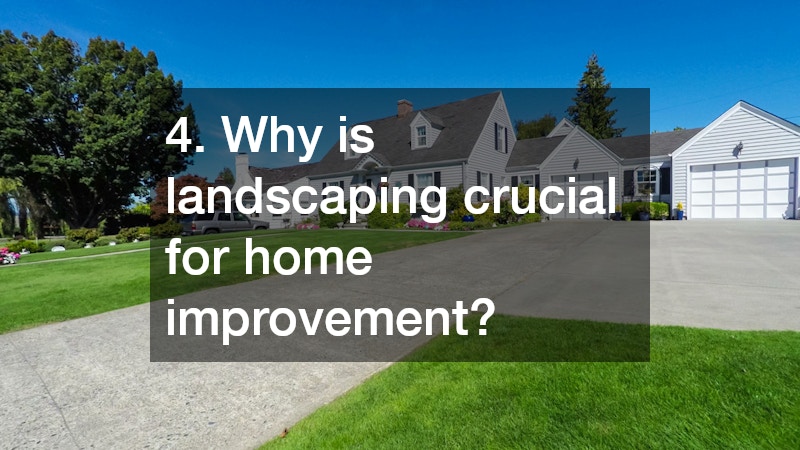
Professional landscape designs offer numerous benefits, enhancing the aesthetic and functional aspect of a property. Trained designers can create plans that maximize space usage, improve ecosystem interactions, and elevate property value. Such designs ensure a strategic layout and planting schedule, reducing overall maintenance expenses.
Beyond aesthetics, proper landscape designs can improve energy efficiency of a home by offering natural insulation and shade. Professionals consider such sustainable aspects, factoring them in during the design phase. Effective designs can save on utility bills, reflecting their financial benefits long term.
A professionally landscaped property offers significant return on investment through increased curb appeal. It’s a strategic way to add value and personalize outdoor spaces that complement the architectural features of a home. Consider a reputable designer for maximizing the potential of your landscape investment.
4.2 Cost Estimation and Budget Prioritization
Establish a clear cost estimation with your landscape designer to ensure efficient budgeting. By prioritizing certain elements, you can manage budget constraints while still achieving desired outcomes. Working closely with a professional guarantees alignment with your financial plan without sacrificing quality.
An itemized design proposal identifies essential features against optional upgrades. This distinction helps you allocate resources effectively, accommodating both primary and secondary priorities. Engage in open discussions with your designer to tailor the plan based on budget feasibility.
Clear communication nurtures a productive partnership between you and your designer. Mutual understanding leads to innovative solutions that maximize your landscape’s potential within the given budget. Implementing prioritized budget allocations smoothly translates vision into reality with cost-effectiveness.
4.3 Seasonal Considerations and Their Impact on Budget
Landscape installation is heavily influenced by seasonal timing. Completing projects in offseason times might lower labor costs due to reduced demand for services. Proper scheduling aligns timing with budgets, avoiding unnecessary peaks in pricing.
Optimal planting seasons vary by region but have a profound status relative to budget planning. Discuss these factors with your designer for seasonal advice and plant selection to boost appeal. Seasonal choices not only maintain budget constraints but also enhance landscape success over time.
Comprehensive planning allows landscape features to flourish without wasting resources. An understanding of the seasonal influence ensures fitting plantings endure climate conditions. It assures budget preservation and landscape longevity.
5. How can I effectively plan a budget for an asphalt driveway?
5.1 Understanding Asphalt Material Costs
Asphalt material costs contribute significantly to total project expenses. Prices can fluctuate based on crude oil rates since asphalt is a petroleum-based product. Research and consultation with a reputable asphalt contractor can provide insights into current market trends.
Request a detailed breakdown of material costs from potential contractors. This transparency helps in assessing cost-effectiveness and ensures alignment with your budget. A contractor should provide insight into durable material options that fit within your financial framework.
Being aware of potential price variations aids in adapting budget plans accordingly. Long-term durability and maintenance should guide material selection. Choosing quality materials ensures value addition and minimizes future expenditures.
5.2 Scheduling and Timing for Cost Efficiency
For cost efficiency, consider project scheduling and timing with your asphalt contractor. Off-peak seasons often offer lower prices due to reduced demand for labor and materials. Plan these periods alongside a contractor to achieve optimal cost savings.
Discuss project timelines to set realistic goals and prevent unforeseen delays. Timely project completion prevents additional expenses related to extended labor or rental costs. Experienced contractors can forecast timing requirements, aiding in precise budget allocations.
Planned schedules align both budget and project expectations, delivering seamless results. Adhering to a timetable guarantees that financial and project commitments remain intact. A solid timeline precludes budget overruns, fostering fiscal responsibility.
5.3 Long-Term Investment in Driveway Longevity
Investing in quality driveway materials can stretch the longevity of your driveway, minimizing future repairs. High-quality asphalt and professional installation reduce the need for constant maintenance. A well-installed driveway enduringly enhances property functionality and curb appeal.
Understanding the significance of initial investment is prudent for driveway projects. Balancing cost with quality ensures value preservation over time. Collaborate with an asphalt contractor who emphasizes quality and workmanship to maximize the return on investment.
The objective should focus on minimizing future costs by strategizing skillfully at the outset. Set an initial budget that considers maintenance longevity for sustained benefits. Embracing an approach prioritizing durability safeguards future finances.
6. What are the costs associated with repairing furnaces?
6.1 Identifying Common Furnace Problems
Furnace repair costs hinge largely on identifying common issues. Problems such as faulty thermostats, worn-out filters, or ignition/motor issues might arise, affecting functionality and efficiency. Routine checks help nip issues in the bud before they escalate into costlier problems.
Severe problems can translate into significant repair costs, especially when entire parts need replacement. Quick identification through experienced technicians can minimize repair complexities. Proactive detection averts serious damage and keeps repair budgets manageable.
Establishing a maintenance routine extends the life of a furnace, reducing frequent repairs. Encourage regular evaluations with a certified HVAC contractor for improved system health. This prevents minor issues from spiraling into expensive repairs.
6.2 Pricing Repairs versus Replacements
Pricing between repairs and complete furnace replacements can significantly differ. While repairs may offer a temporary fix, replacements provide a long-lasting solution. An HVAC contractor can assist in balancing costs and determining if your situation calls for repair or replacement.
Consider energy efficiency and overall condition when evaluating repair versus replacement. Aging systems may demand frequent repairs that quickly accumulate additional expenses. Opting for a new, efficient furnace can offer better saving prospects in the long run.
Weighing these options with long-term and short-term impacts on budgets helps guide decisions. Comprehensive assessments of system performance are prudent investment strategies. Engaging an expert technician to navigate these options ensures cost-effectiveness.
6.3 Emergency Repair Funds
Homeowners should establish an emergency repair fund to accommodate unforeseen furnace issues. Unscheduled repairs can disrupt budgets significantly, especially if funds are not earmarked specifically. Set aside a fixed percentage of your maintenance budget for such emergencies.
Consider historical furnace performance to gauge potential emergency requirements. Rely on this analysis to predict likely breakdown patterns to estimate emergency fund amounts. An emergency repair fund ensures rapid response in crisis situations, maintaining indoor comfort.
Ahead-of-time financial preparation avoids financial strain when emergencies arise, safeguarding broader home improvement plans. Fortified funds assure swift resolutions to unexpected dysfunctions. Prioritizing readiness provides utmost assurance for inevitable challenges.
7. How much should I budget for my pool?

7.1 Routine Maintenance Costs
Pool maintenance is an essential annual expense to ensure water quality and system longevity. Skimming, cleaning filters, maintaining proper chemical balance, and pump checks are crucial activities. Budgeting for these tasks is vital to maintain safe and clean swimming conditions throughout the year.
Affordable maintenance contracts with experienced pool maintenance professionals regularly assess water health. Seasonal variations might increase service needs or require targeted chemical treatments. Regular attention to these routine services prevents costly, systemic damages.
Prioritize continuing professional care throughout the year for optimal pool conditions. Skilled experts offer efficiency, thus justifying maintenance costs and forestall aggravating expenses. Sticking to a routine ensures easy management of pool-related budgets.
7.2 Seasonal Adjustments in Budget
Different seasons impose varying demands on pool maintenance, so conducive adjustments in the budget are necessary. Pool winterization involves higher initial costs but offsets expensive damage from unaddressed buildup/freeze. Briefly heightened expenses prepare the pool for dormant months.
Basket filters, supplies, and chemical costs adjust with climate changes and pool use. Summer usually incurs increased charges due to frequent usage and enhanced treatment requirements. Account for these shifts within annual plans with flexibility to manage diverse seasonal needs.
By anticipating seasonal fluctuations, homeowners adeptly manage pool expenses to avoid undue financial stress. Ample preparation captures anticipated increases for high-maintenance periods. Seasonal budget foresight ensures regular enjoyment of clean and perfect pool environments.
7.3 Future Repairs and Upgrades
Factor potential repairs and upgrades into the pool budget for comprehensive fiscal management. Planning for wear and tear prolongs materials’ useful life and the overall system’s viability. Strategic long-term budgeting assists in preventing sudden, high-priced repair obligations.
Analyze potential benefits and costs of technological advancements in pool equipment. Solar heater installations, automated pool covers, or variable-speed pumps are upgrades that ensure long-term savings. Consider implementing these as part of planned improvements to enhance functionalities sustainably.
Future-facing investments in high-quality components enhance pool conditions and features. Allocate funds for modern enhancements as pool requirements evolve over time. Wisely planned updates sharpen pool efficiencies, safeguarding investments’ profitability.
8. What are some tips for budgeting for a painting project?
8.1 Selecting Quality Paint and Materials
Choosing quality paint and materials is crucial for prolonging a paint job’s integrity. Premium products reduce the frequency of paint jobs, providing a sleek, protective finish for years. Partnering with an insightful painting contractor guides selections towards premium, cost-efficient product choices.
Paint and materials significantly affect the interior and exterior’s aesthetic and durability. Comparably, initially higher costs deliver lower life-cycle expenditures thanks to reduced fading and peeling. Discuss with your contractor the balance between cost efficiency and product longevity in detail.
Quality craftsmanship with robust materials demonstrates a commitment to long-lasting results. Engage in exploring superior options that harmonize upfront and running costs. This informed approach minimizes quick wear, maintaining exceptional appearances longer.
8.2 Analyzing Contractor Estimates
Contractor estimates are vital tools that dictate a painting project’s economic feasibility. Clarity in estimates enables homeowners to manage expenses without unexpected cash flow impacts. Request that contracts delineate itemized services, labor, and any additional applicable fees for transparency.
Diligently reviewing multiple bids from various contractors provides a comprehensive view of the market range. Goes beyond just looking for the lowest cost; prioritize value by assessing expertise and support included. Select a contractor whose estimate aligns with your quality expectations and budgetary considerations.
An inclusive estimate should accommodate potential surplus costs and services. Enabling necessary precautions protects your budget from damage miscalculations. Informed acceptance of estimates ensures long-term adherence to planned expenditures.
8.3 Timing Projects for Budget Savings
Project timing affects cost reduction possibilities in painting ventures. Off-season scheduling can reduce associated costs due to less competitor demand and increased contractor availability. Consult with a painting contractor about seasonal advantages in your area to harness potential savings.
Seasonal considerations feature prominently where weather influences exterior painting projects. Aim to avoid unsuitable conditions, reducing labor and material inefficiencies. Proper planning maximizes professional execution and project satisfaction cost-effectively.
Align painting efforts with seasonal insights for optimal timing and budgeting. Timely action within propitious windows yields economies in resources and workforce engagements. Acknowledge seasonal insights to optimize budgetary outcomes and contractor productivity.
9. How do I budget for plumbing upgrades?

To choose a reliable plumbing company, look for a business with proper licensing, insurance, strong customer reviews, and clear communication. A dependable plumber should be able to explain the issue, provide straightforward recommendations, and answer your questions before starting work. It’s also helpful to ask about experience with the specific service you need, whether that’s leak repair, drain cleaning, water heater work, or fixture installation. Choosing a plumbing company that offers honest pricing, timely service, and professional workmanship can help you feel more confident about the repair or installation process.
10. What to know about budgeting for a fence
A custom fence can improve privacy, security, curb appeal, and everyday function around your property. Unlike a standard fence, a custom fence can be designed around your yard layout, preferred materials, height needs, and overall home style. Homeowners may choose wood, vinyl, aluminum, chain link, or ornamental fencing depending on their goals and budget. Working with a professional fencing company can help you create a finished result that looks cohesive, stands up to local weather, and supports how you use your outdoor space.
Planning your budget before starting home improvement projects can help you make practical choices and avoid unnecessary stress. By comparing priorities, gathering estimates, and setting aside room for unexpected costs, you can move forward with more confidence. Whether you’re updating one room or tackling several projects over time, a clear budget can help you improve your home in a way that works for your goals.